

What Is Lifestyle Inflation? The Spending Trap That Pushes Retirement Further Away
- Date
- 30 June 2026 17:00


When income goes up, it's natural to want a better quality of life...spending a little more, upgrading your lifestyle, choosing more comfortable options. It all feels reasonable in the moment. But this behaviour can quietly turn into lifestyle inflation - gradually eating into your savings and undermining your long-term retirement goals without you ever noticing.
What Is Lifestyle Inflation?
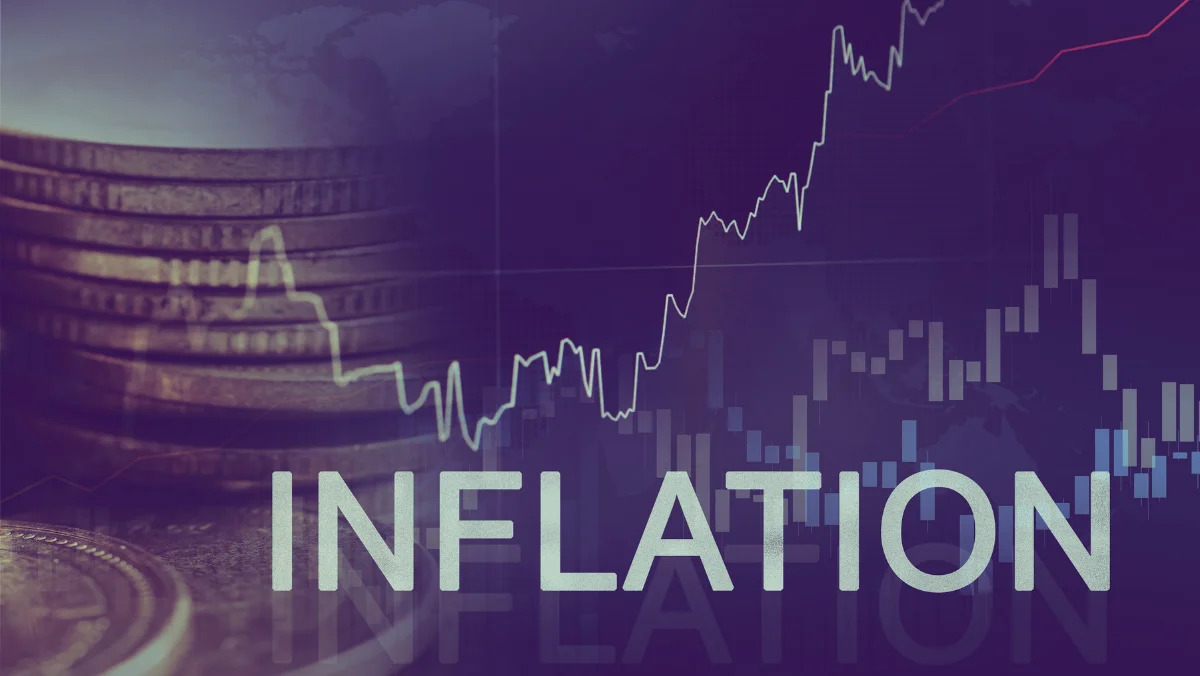
Lifestyle inflation is the tendency for spending to increase in line with rising income. When a salary goes up, a bonus arrives or earnings grow, many people automatically begin spending more on more expensive goods, services and experiences. While this can improve your quality of life, without a solid plan in place it can cause your savings and investments to grow far more slowly than they should.
How Lifestyle Inflation Affects Your Finances and Retirement Goals
Your Savings Grow Slower Than Your Income
When income rises but expenses rise proportionally alongside it, the money that should be going into savings or investment shrinks. Even with a higher salary every year, the actual amount being saved barely changes - making the path to financial security longer, and the effort required to reach your goals greater.
It Reduces Your Capacity for Long-Term Investment
Long-term investment needs both capital and time to grow. If rising expenses leave too little for investing, the opportunity to benefit from compound interest diminishes alongside it. The later you start investing, or the less you can put in, the more your future results may fall short of what you hoped for.
It Can Delay Your Retirement or Push It Off Track
Lifestyle inflation can quietly raise the cost of your post-retirement life, because your standard of living keeps adjusting upward. This means you'll need more retirement savings than originally planned. If you can't save enough in time, you may have to push retirement back or accept a lower quality of life in retirement than you envisioned.
It Reduces Financial Flexibility When the Unexpected Happens
When fixed monthly expenses take up a larger share of your income, your emergency cushion may not be enough. If something unexpected occurs - job loss, a drop in income or an urgent expense - your cash flow becomes far more vulnerable than it would be for someone who manages their spending well and maintains adequate reserves.
How to Handle Lifestyle Inflation Before It Derails Your Future

Lifestyle inflation can happen to anyone but it can be managed and prevented once you become aware of your own spending patterns. Building financial discipline today lets you continue enjoying your life now while still moving steadily toward your financial future - without sacrificing one for the other.
Separate Needs from Wants Before You Spend
Before making a purchase, ask yourself honestly whether it's a genuine need or a passing want. Questioning yourself before buying reduces impulsive, emotion-driven spending and helps you allocate your budget more effectively toward goals that actually matter.
Increase Your Savings Rate Every Time Your Income Increases
When you receive a salary increase or earn more than before, set aside a portion for saving or investing immediately - rather than spending it all. This ensures your savings base grows in line with your income and reduces the risk of expenses expanding into a habit that becomes difficult to control over time.
Set Long-Term Financial Goals
Having specific financial goals - retirement, buying a home, building a savings pot - helps you see the bigger picture and makes spending decisions easier. People with clear goals tend to manage expenses better, because they understand how every spending choice affects what they're working toward. For anyone starting out with financial planning as a salaried employee, defining long-term goals is a foundational step that builds lasting financial discipline.
Review Your Spending and Adjust Your Habits Regularly
Checking your income and expenses on a regular basis helps you spot any categories of spending that have crept up beyond what's necessary. When you can see what's changed, you can trim or reprioritise in time - preventing lifestyle inflation from quietly working against your long-term financial plan.
Use Personal Spending Rules to Guide Your Decisions
Setting your own rules - such as waiting 24 hours before buying something expensive or always saving a set percentage before spending - reduces emotionally driven decisions and builds better financial discipline. Every purchase becomes more deliberate and better aligned with your goals. Taking time to find saving approaches that suit your income pattern and personal objectives also helps you manage your behaviour and build financial security more effectively.
KKP Better: Your Tool for Staying Ahead of Lifestyle Inflation
Tackling lifestyle inflation starts with having a clear picture of your overall financial position. KKP Better offers features that help you track progress toward your financial goals, making it easier to see the relationship between your income, savings and future targets - ideal for anyone who wants a financial planning app to support consistent discipline and ongoing plan management.
Lifestyle Inflation FAQ
Final Thoughts
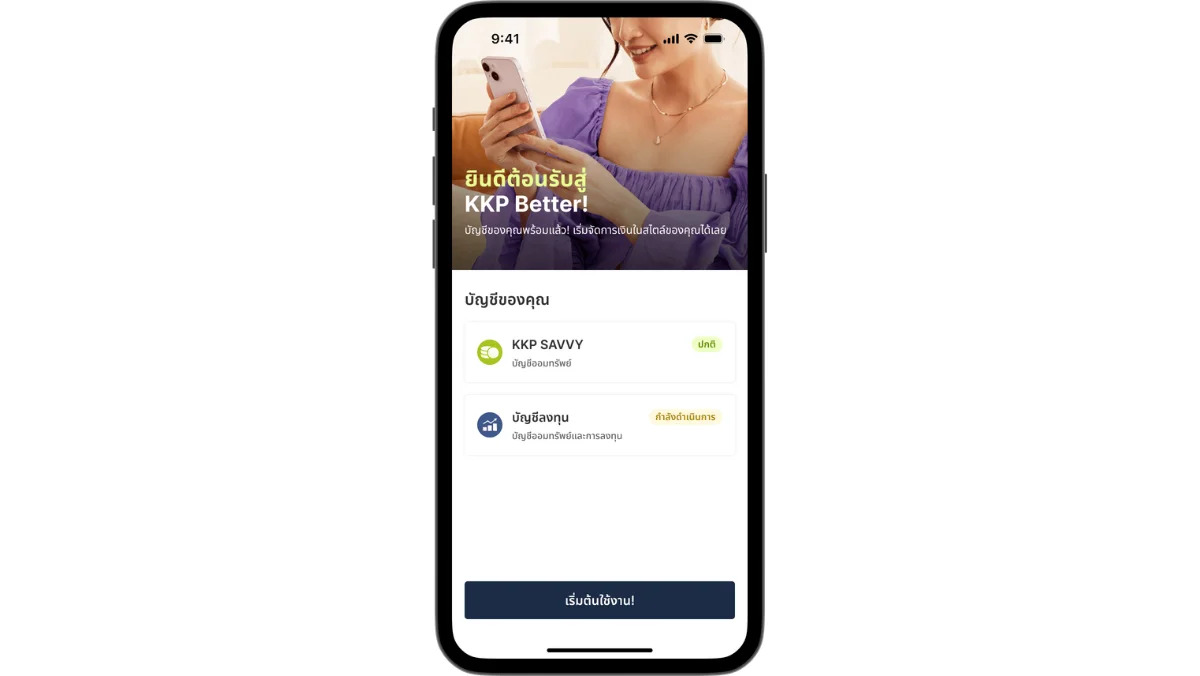
Lifestyle inflation is the pattern of spending rising alongside income - slowing savings growth, reducing investment opportunity and pushing retirement goals further out of reach. Managing your expenses mindfully, paired with clear financial goals, is what keeps the balance between enjoying life today and building security for tomorrow. If you want a more convenient way to track your goals and manage your retirement plan, KKP Better comes with investment features* and a high-interest savings account** to help bring your financial plan closer to where you want it to be.
*Warning: Investors should understand the product characteristics, terms and conditions, returns, and risks before making investment decisions.
KKP Better app by Kiatnakin Phatra Bank is a service channel of Kiatnakin Phatra Securities Public Company Limited.
**Interest rates, terms and conditions are subject to Kiatnakin Phatra Bank's criteria and requirements. Please study the product information in detail.
Related Products