



Financial Planning: Build a Happy Life and Save for the Future
- Date
- 15 May 2026 17:40


A lot of people wonder where to even begin when it comes to managing their money. Good financial health isn't a matter of luck. It comes from putting a clear, systematic plan in place as early as possible. If you're looking for a way to manage your income so you can save consistently and avoid the burden of debt, here's a practical guide to help you navigate every stage of life with confidence.
Why Financial Planning Matters at Every Stage of Life
Life changes constantly, and so do your financial needs and responsibilities. A financial plan that's aligned with where you actually are in life helps you handle expenses smoothly, prevent debt from piling up, and build a genuinely solid foundation for the future.
Early Career
The early working years are when most people receive a regular income for the first time. The most important thing at this stage is building saving habits and keeping spending in check. Always set aside a clear portion of your income for savings before spending anything else. Avoiding debt at this stage gives you capital to create financial stability and setting you up well for what comes next.
Building a Family
When you start a family, financial responsibilities inevitably increase...housing, vehicles or children's education. This is when your money management needs to become tighter and more structured. Assessing income and expenses together as a household becomes essential, so you can allocate your budget appropriately, avoid cash flow problems and prepare for everyone's future under one roof.
Retirement
Retirement is the stage when your primary working income drops significantly or disappears entirely. But the cost of living and healthcare expenses remain (or even increase). How well you've prepared in advance largely determines the quality of life you'll have at this point. With enough set aside, you can enjoy your later years comfortably and without the worry of becoming a financial burden on your family.
Setting Your Financial Goals

Clear goals are the compass that tells you how to manage your money. Breaking them down by timeframe helps you allocate your resources effectively and gives you a much better chance of achieving what you're working toward at each stage of life.
Short-Term Goals
Short-term goals typically sit within 1-3 years. The priority here is maintaining liquidity and meeting your basic needs, such as building an emergency fund covering 3-6 months of expenses, saving for a holiday or purchasing necessary items. Goals in this category ensure you have ready cash available when you need it, without having to rely on credit.
Medium-Term Goals
Medium-term goals usually take around 3-7 years to reach and require sustained, consistent saving to build up larger sums, such as a car payment, a home deposit or capital to start your own business. Achieving these goals takes commitment and the discipline to set aside a portion of your income regularly over time.
Long-Term Goals
Long-term goals span 7 years or more - sometimes a lifetime - and are the most significant when it comes to overall life security. These include building retirement funds, investing to grow wealth ahead of inflation and securing your family's financial future. Solid long-term financial planning requires the right investment tools and enough time for returns to compound and work at full effect.
How to Start Financial Planning: Save More and Stay Out of Debt
If you want to genuinely transform your financial health, taking the right steps in the right order is what makes the difference. A structured start helps plug the leaks in your finances and opens the door for wealth to grow. Here's how to get there practically.
Assess Your Assets vs Debts
The first and most important step is an honest look at where you stand. List out everything you own against everything you owe. Knowing your net figure gives you a clear picture of your actual financial position. If your debts outweigh your assets, that's the signal to act quickly - restructure your debt and cut unnecessary expenses before the gap widens.
Track Every Baht
Keeping a record of your income and expenses is the most effective way to understand how you really spend your money. Writing down every transaction reveals exactly where your money is going and makes it easy to identify and cut wasteful spending. Today, a financial planning app can help you log and categorise everything conveniently.
Set Specific and Measurable Financial Goals
Once you know where you stand, define clearly where you want to go. A good goal is specific, expressed in numbers, and tied to a timeframe. For example, saving 100,000 baht within 1 year. Concrete goals like this keep you motivated, give you financial discipline and let you check your own progress along the way.
Save Before You Spend
The right savings equation is: income minus savings equals what you spend. Set aside a portion for savings the moment your income arrives, before anything else. This approach forces you to live on what remains, prevents you from spending tomorrow's money today and builds your reserve steadily over time - cutting off the temptation and reducing the risk of turning to borrowing.
Plan Your Investments and Build Additional Income
Saving alone may not be enough to outpace inflation over the long term. Once your emergency fund is in place, put the excess into investments* that generate returns in line with the level of risk you're comfortable with. At the same time, look for ways to build additional income streams. Having money working for you from multiple directions speeds up the path to your financial goals considerably.
Make Financial Planning Easier with KKP Better
Managing your money doesn't have to feel complicated when you have KKP Better by your side. The app from Kiatnakin Phatra Bank brings together deposits, loans, insurance, investment, and retirement planning - all in one place. You can design your own wealth strategy, track your returns and apply for a loan* directly through the app if you need to boost your liquidity. It gives you full control over your finances and a confident path toward lasting security.
Financial Planning FAQ
Final Thoughts
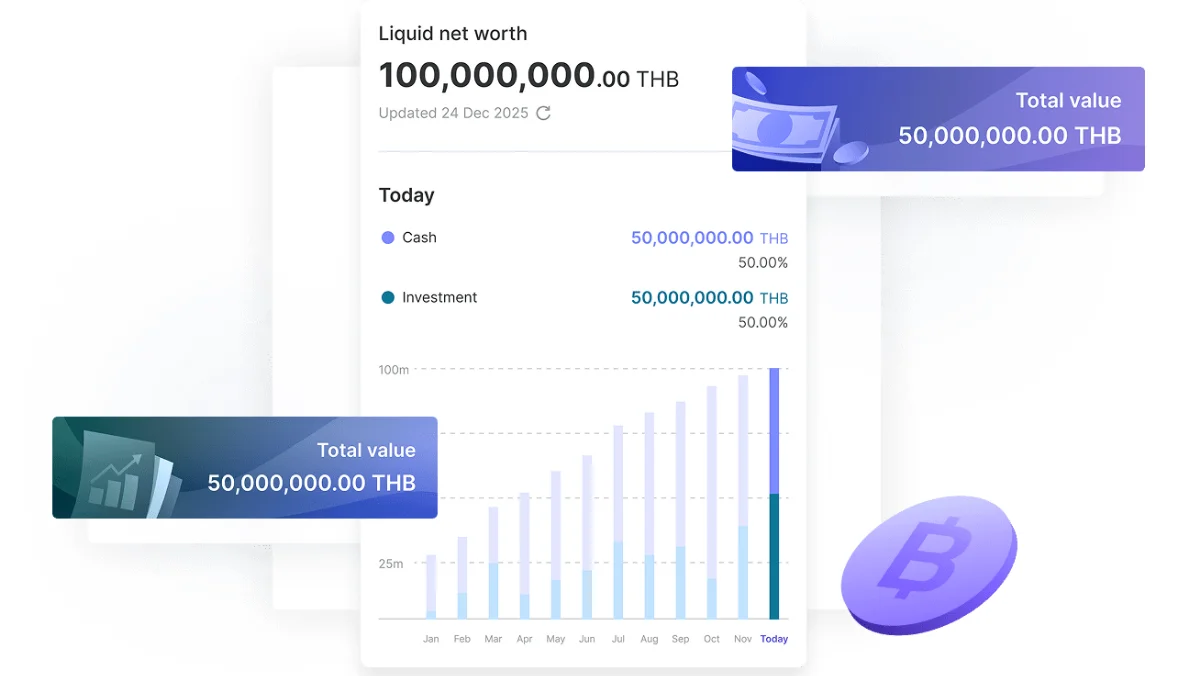
Effective money management is the foundation of a stable life. Setting clear goals, controlling your spending and consistently building your savings are what keep you on the right side of debt and moving toward financial security. If you're looking for a tool that makes all of this easier, KKP Better handles deposits, loans, insurance, investment and retirement planning in one app. Download it today and start building the financial future you deserve.
Investors should understand the product characteristics, terms and conditions, returns, and risks before making investment decisions.
Warning: Borrow only what is necessary and within your repayment capacity.
The Effective Interest Rate (EIR) ranges from 7.99% - 25% per annum.
Loan approval criteria and conditions are as determined by Kiatnakin Phatra Bank. Please study the product information in detail.
Related Products