


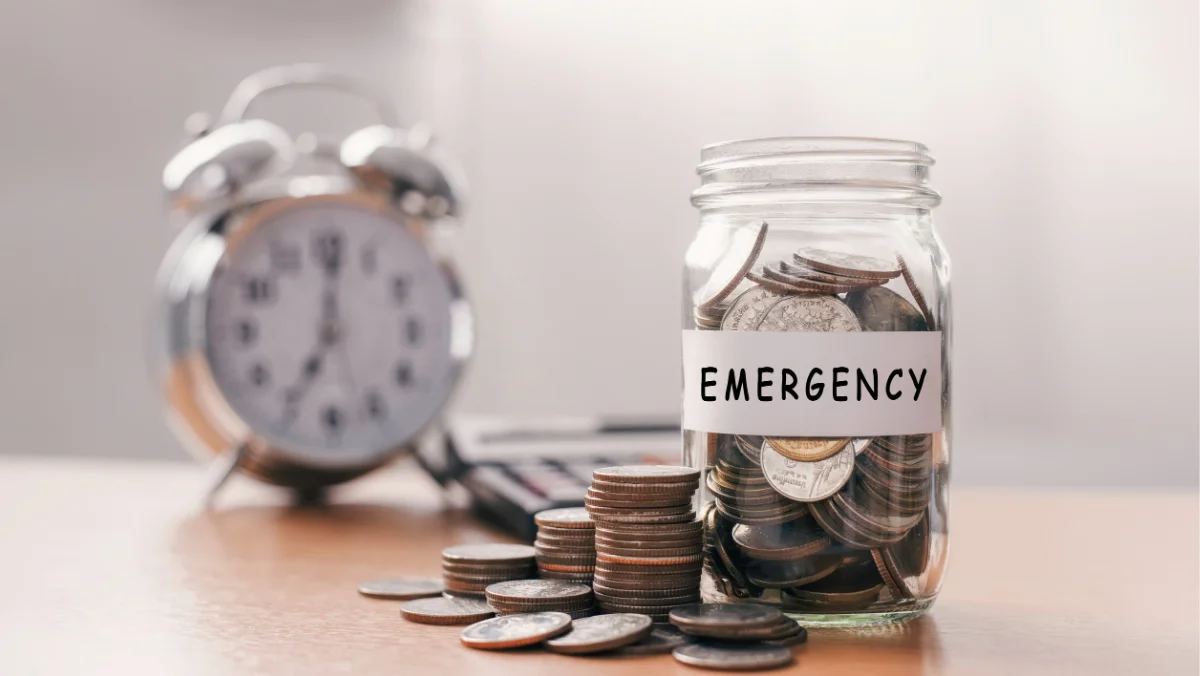
How Important Is an Emergency Fund? How Do You Build One?
- Date
- 09 June 2026 12:00


If you're wondering where to start with managing your finances well, the first thing most financial experts recommend is building an emergency fund. Life has a way of throwing the unexpected at us - health issues, accidents, sudden job loss - and preparing in advance is the foundation that helps you navigate financial crises without your life being derailed.
What is an Emergency Fund?
An emergency fund is a separate pot of money set aside exclusively for genuine, urgent situations (not for holidays or discretionary spending). Its primary purpose is to act as a financial safety net, allowing you to continue living normally during a period of lost income or when a large, unplanned expense suddenly arrives.
Why Having an Emergency Fund Really Matters
Good financial discipline isn't just about earning more. It's about being able to handle uncertainty. For anyone working on financial planning as a salaried employee, building an emergency fund first protects your broader wealth from external factors you can't control. Here's why this matters across several dimensions you may not have considered.
It Reduces the Impact of Unexpected Expenses
We never know what any given day might bring - a sudden illness requiring urgent treatment, a car breaking down on the road or a major home appliance failing. These costs sit completely outside your normal spending plan. With an emergency fund in place, you can handle them immediately without having to borrow from anyone, damage your credit history or take out a loan that comes with interest obligations down the line.
It Reduces the Chance of Getting Into Debt in a Crisis
When a financial emergency strikes and there's no reserve, most people end up turning to credit card cash advances or personal loans. If there's a genuine urgent need, borrowing can be a valid short-term solution. But relying on debt to solve problems typically means carrying high interest costs for a long time afterward. Having an emergency fund cuts that cycle off before it starts.
It Keeps Your Savings and Investment Plans on Track
Investing money for returns is a great thing but if you invest everything without maintaining liquidity, you may be forced to sell assets at the wrong moment when an emergency hits. Sometimes that means selling in a rising market, locking in a smaller gain or even a loss. An emergency fund protects your investment portfolio, allowing it to grow toward your goals undisturbed while your day-to-day financial stability remains intact.
It Brings Peace of Mind During Economic Uncertainty
Mental stability is an underrated part of financial wellbeing. Having money in reserve reduces the stress and anxiety that comes with difficult economic news - layoffs, inflation, rising costs. Knowing you have a financial buffer long enough to give you time to regroup means you can approach problems with a clearer head, without the pressure of needing to replace lost income immediately.
How to Start Building an Emergency Fund Even If You Have Nothing Saved
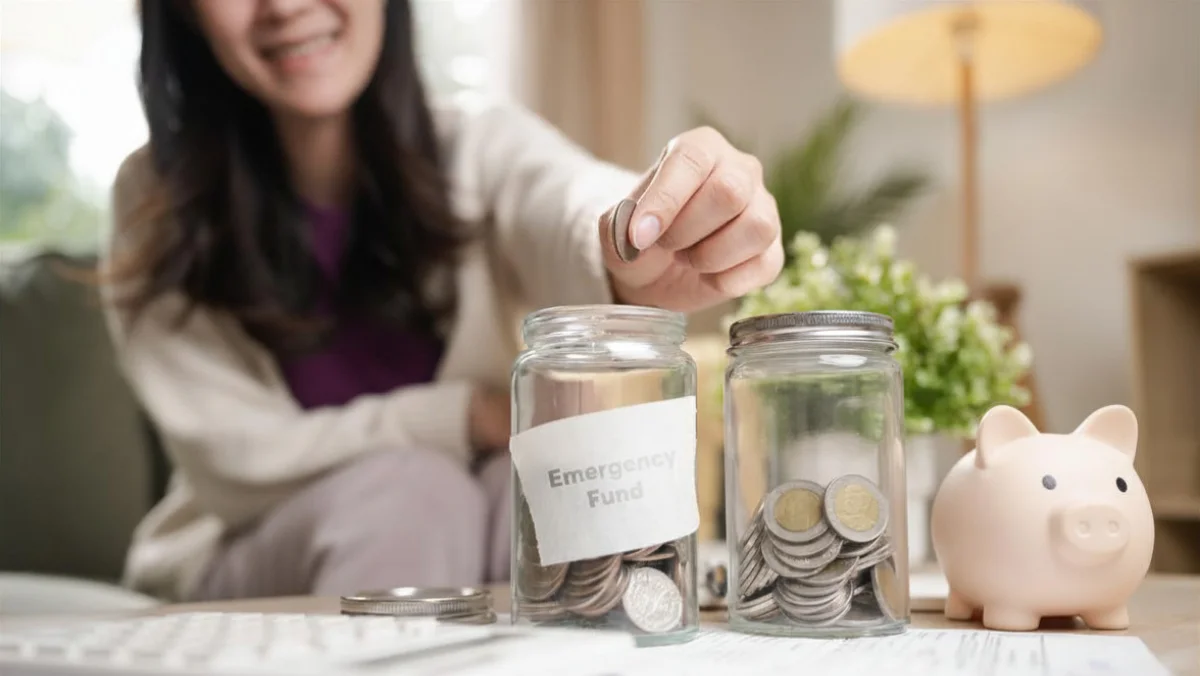
If saving feels difficult right now, don't worry. Here are practical, realistic ways to start. Building your first financial cushion is entirely possible with small habit adjustments and a clear goal.
Save First, Spend Later
The golden rule of saving is to set money aside the moment your income arrives. Never wait to save what's left over because there usually won't be anything left. Start by aiming to put away 10-20% of your income into your emergency fund each month. This forces you to adapt your spending to what remains, building solid financial discipline and guaranteeing that your savings grow every single month.
Small Amounts Add Up Over Time
If setting aside a large chunk feels like too much right now, start small. Put away a 50-baht note every time you get change or set aside a little each day. The key is consistency. Over time, those small amounts accumulate into a meaningful emergency fund that's ready to help you when a crisis arrives - without putting excessive pressure on yourself in the process.
Keep Your Emergency Fund in a Separate Account
To prevent accidentally dipping into your reserve, open a dedicated account specifically for your emergency fund and avoid linking it to the debit card or payment apps you use daily. This adds enough friction to slow you down before withdrawing, giving you time to reconsider whether the situation truly calls for it. It's a simple technique that goes a long way in protecting your savings.
Cut Unnecessary Expenses to Free Up More
Review your spending habits and look for things you can trim. For example, expensive daily coffees, streaming subscriptions you barely use or online shopping triggered by promotions. Reducing these unnecessary costs frees up more money to direct into your emergency fund each month. Small daily adjustments compound into a meaningful positive impact on your financial goals over the long term.
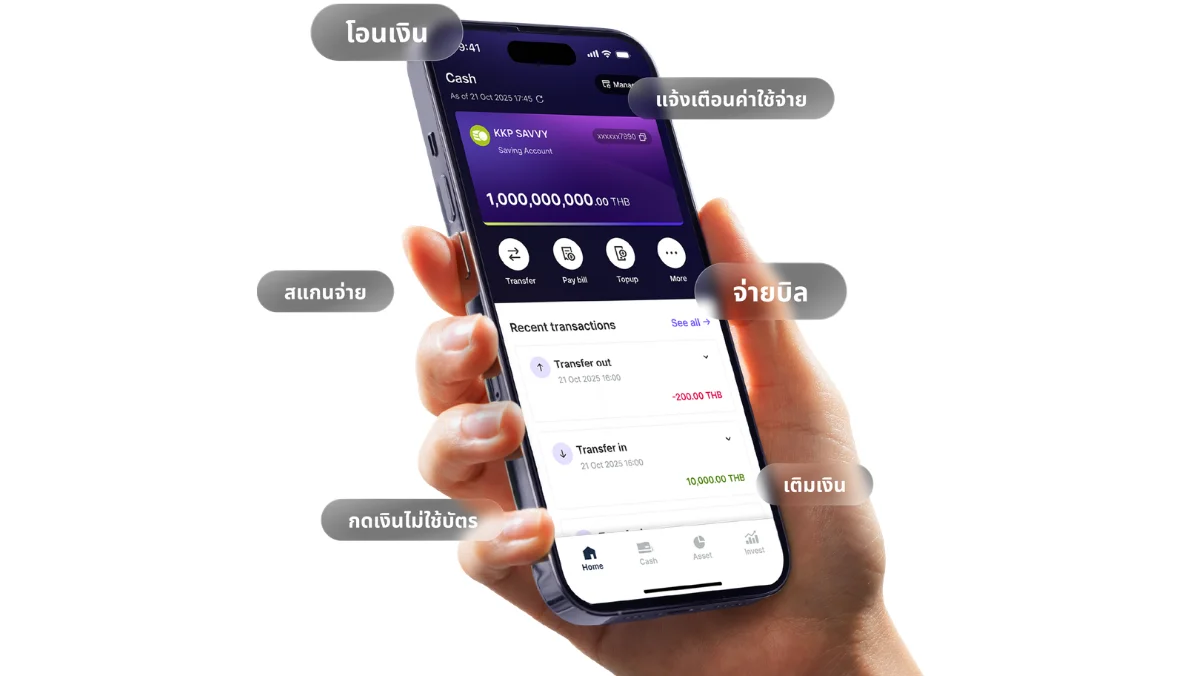
Separate Your Emergency Fund Easily with KKP Better
If you're looking for a tool to help manage your money, the KKP Better financial planning app makes it easy to allocate and keep your emergency fund clearly separate from your spending money. So it stays where it belongs until you truly need it.
Emergency Fund FAQ
Final Thoughts
*Warning: Borrow only what is necessary and within your repayment capacity.
The Effective Interest Rate (EIR) ranges from 7.99% - 25% per annum.
Loan approval criteria and conditions are as determined by Kiatnakin Phatra Bank. Please study the product information in detail.
**Insurance applicants should understand coverage details and terms and conditions before making insurance decisions.
Kiatnakin Phatra Bank Public Company Limited acts solely as an insurance intermediary.
Related Products